History Lane: The Hogbetsotso Festival
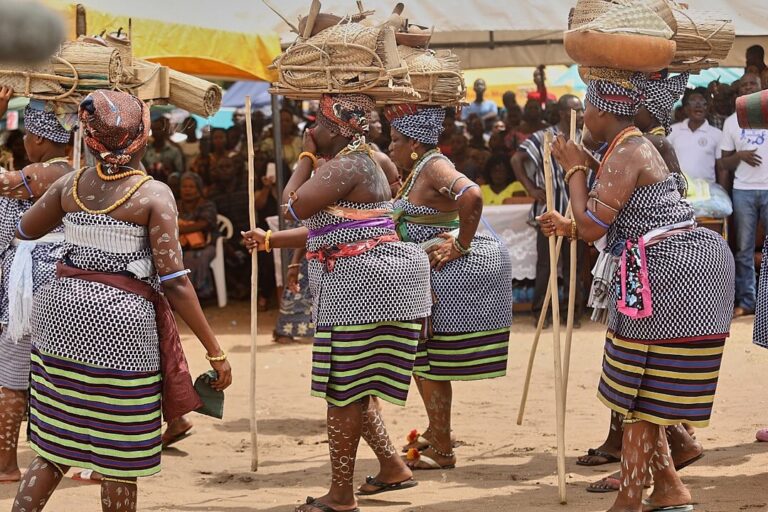
The Hogbetsotso festival (pronounced Hogbechocho) is celebrated by the chiefs and people of Aŋlɔ (Anlo) in the Volta region of Ghana.
The name of the festival is derived from the Ewe language and translates as, the festival of exodus. or “coming from Hogbe (Notsie)”. This historical retreat birthed traditional movements like the Agbadza dance and symbolizes resilience, unity, and ancestral heritage.
The festival commemorates the 17th-century migration of the Anlo-Ewes from Notsie in present-day Togo. According to history, the people escaped the tyranny of King Togbui Agorkoli by softening the high mud walls of Notsie with wastewater and walking backward so their footprints would mislead their pursuers.
The Anlo is a group of people from a tribe on the eastern coast of Ghana. It is believed that they had migrated from southern Sudan through Oyo, an area in Nigeria, Ketou in Benin and Adja Tado in Togo to settle in Notsie.
Oral traditional history has it that they lived under a wicked king, Togbe Agorkoli (Agor Akorli). In order to escape his tyrannical rule they had to create a hole in the earthen wall that surrounded their town. They achieved this by instructing the women to pour all their wastewater at one particular place in the wall.
Over time the spot became soft, thereby allowing the town people to break through the wall and escape through the resulting mud. Tradition also holds that, to confuse their pursuers, buying time to make good their escape, they walked backwards with their faces towards the town so that their footprints appeared to be going into the town.
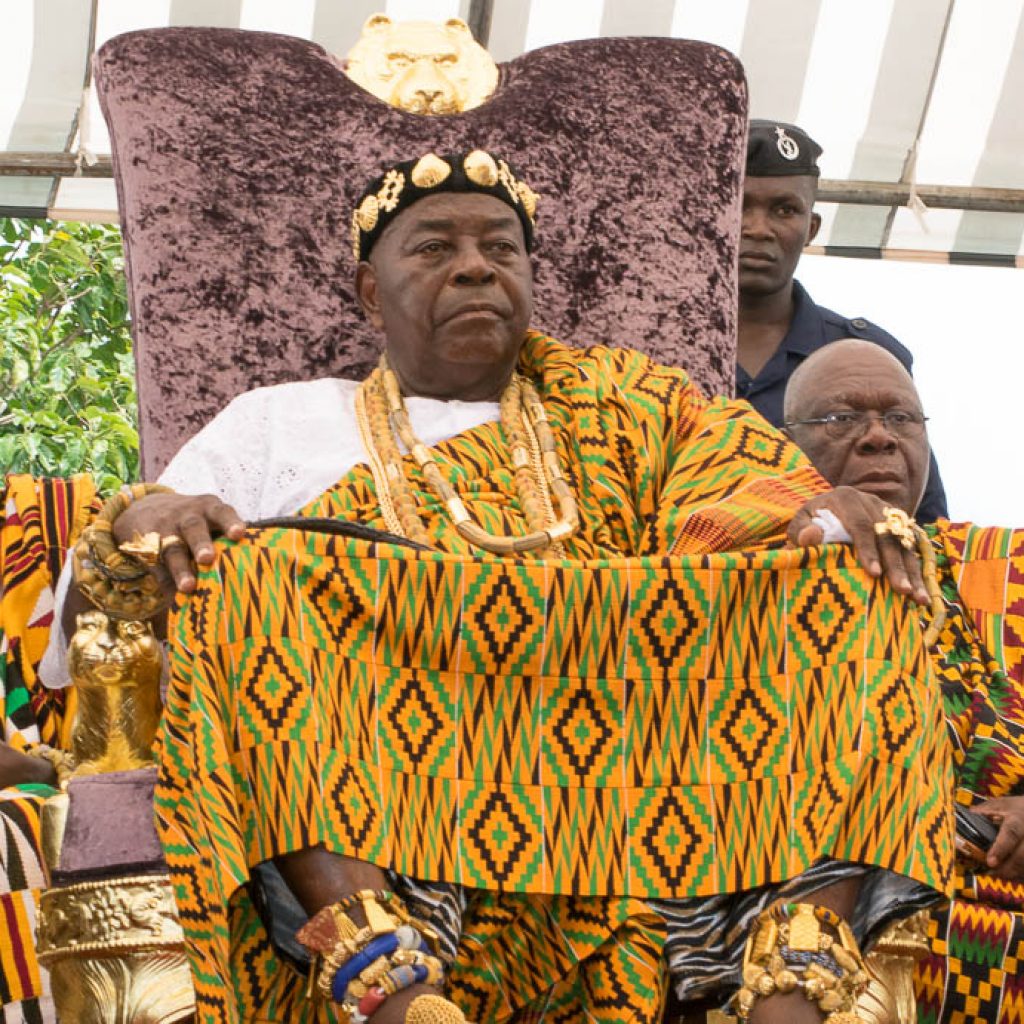
The festival is celebrated annually on the first Saturday in the month of November at Anloga which is the customary and ritual capital of the Anlo state.
The celebration of the festival was instituted about six decades ago. Various ceremonies are held during the festival. They include a peace-making period in which all disputes are ended with the finding of an amicable solution.
It is believed that the reason for this traditional period of peacemaking is that the people believe their ancestors lived in harmony with themselves all through their escape from Notsie and that it was this character that made their sojourn a success.
Weeks leading up to the grand durbar involve ritual cleansing and purification ceremony of the ceremonial stools (where the Ewe believe the ancestral spirits reside) through the pouring of libations.
This is followed by general cleaning where all the towns and villages are swept and rubbish burnt. This cleaning ceremony starts at the Volta River and ends after several days at the Mono River in the Republic of Togo.
Some major Aŋlɔ (Anlo) towns include Anloga (capital), Keta, Kedzi, Vodza, Whuti, Srogboe, Tegbi, Dzita, Abor, Afiadenyigba, Anyako, Konu, Alakple, Atsito , Atiavi, Deʋegodo, Atorkor, Tsiame and many other villages.

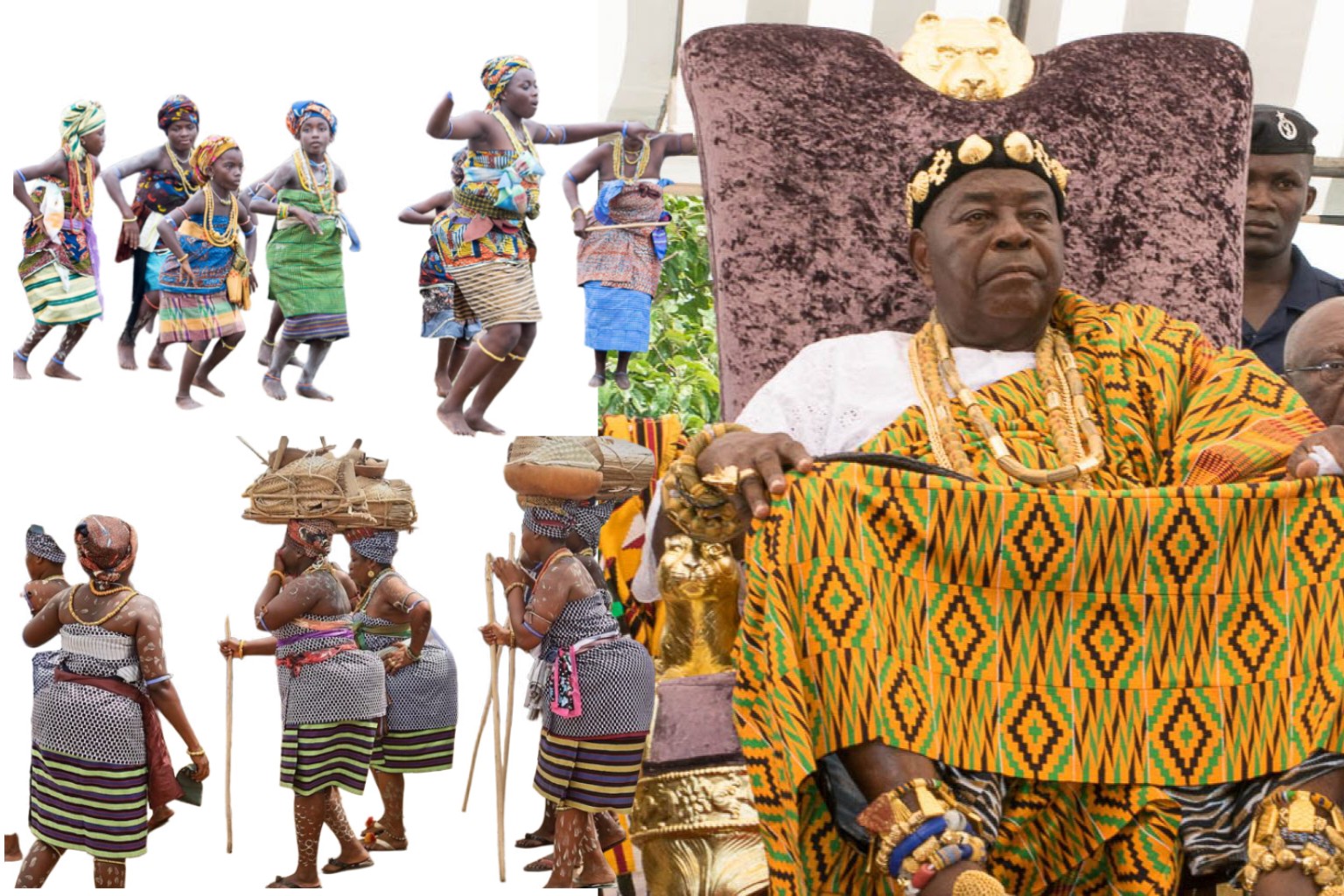
A colorful gathering is held in Anloga featuring chiefs in traditional regalia, vibrant drum ensembles, historic storytelling, and traditional dances like Agbadza amidst the playing of Boba (a large, deep-toned support drum used within the indigenous instrumental ensemble), percussion ensemble consisting of master, iron bells, a beaded rattle, and handclaps.
The Agbadza, originally a war dance in imitation of birds in flight and formerly known as atrikpui, is the traditional dance of the people of Anlo which is performed vigorously during the grand durbar of the Hogbetsotso festival. It is a way of expressing joy to their ancestors and gods. Agbadza can be performed anywhere, at parties, funerals and at naming ceremonies. In this modern age, anyone from any tribe can perform the Agbadza dance regardless. Another example of Ewe dances is the borborbor dance.
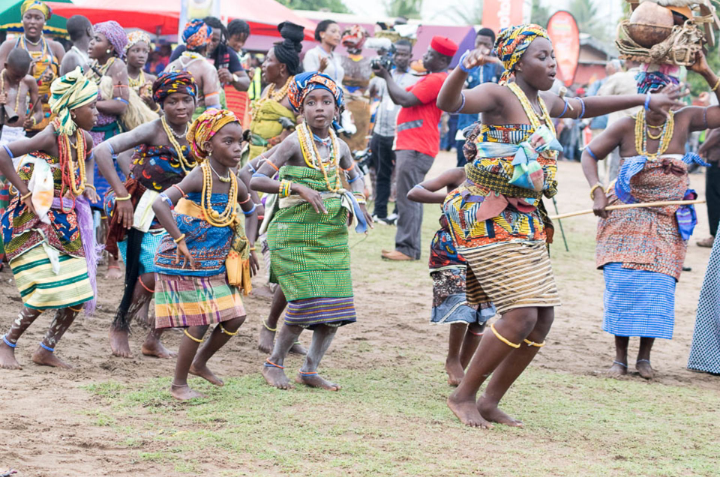
The climax of the festival involves a durbar of the chiefs and people of Anlo. The chiefs dress in colourful regalia/ kente and receive homage from their subjects at the durbar grounds.
Various forms of dancing, singing and merry-making characterize the entire festival.
The 2022 festival marked the 60th anniversary celebration of the event. It was held with the theme, “60 years of Anlo Hogbetsotso Za: Uniting for development, Sustaining our Unique Cultural Commonwealth for Future Generations.” The grand durbar at Hogbe Park in Anloga was attended by notable figures, including Vice-President Dr. Mahamudu Bawumia, Asantehene Otumfuo Osei Tutu II, Kwahumanhene Daasebre Akuamoah Agyapong II, and Ga Mantse King Tackie Teiko Tsuru II.
RTOMedium… Be Informed… Get Informed