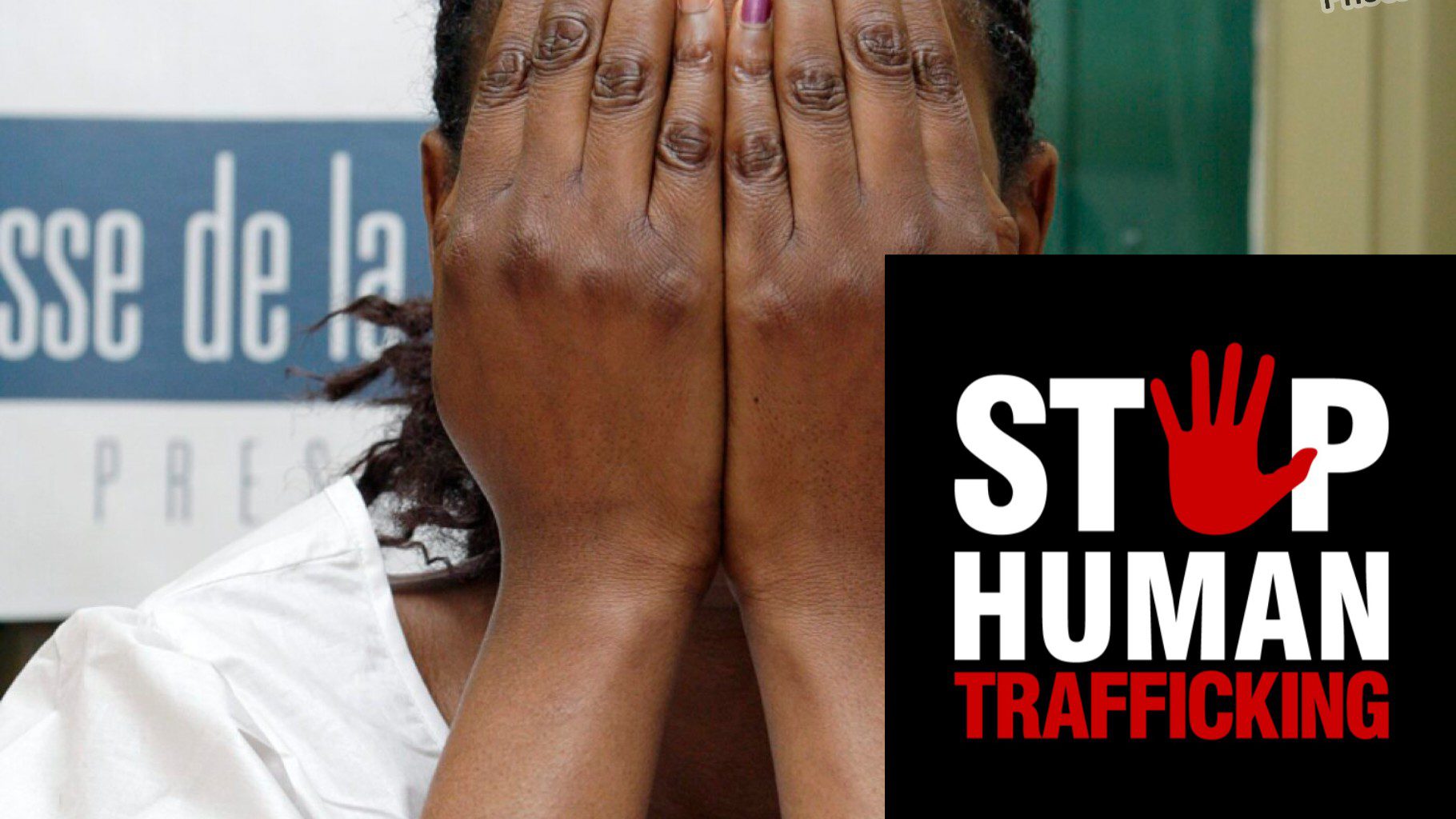
Human Trafficking Menace: what you need to know
By: Ras Tbc Ofoe
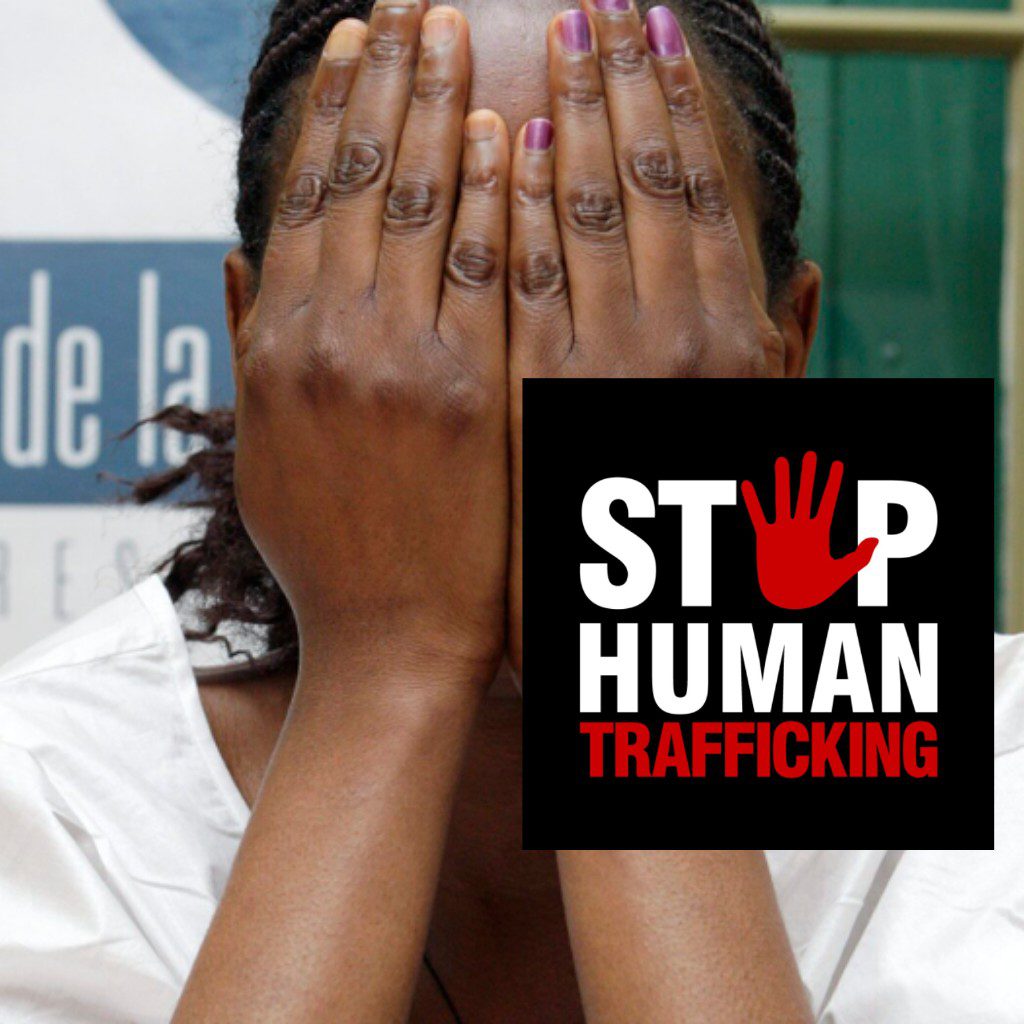
About 50 million people find themselves trapped in modern-day slavery globally after the abolition of ‘traditional’ chattel slavery.
Millions of people are tricked or coerced into forced labor, domestic servitude, online cyber scams, and sexual exploitation.
Children, youth, migrants, and people facing extreme poverty or conflict are at the highest risk.
Moreover, these practices of human trafficking and other forms of exploitation are a massive money-making scheme, generating $236 billion in illegal profits each year, according to the International Labour Organization (ILO) and the International Organization of Migration (IOM).
Prior to the World Day Against Trafficking in Persons, an international sisters-run network Talitha Kum released its 2025 Annual Report, outlining how they reached 1.21 million people around the world over the last year—a 29.6% increase from 2024.
The 2025 Annual Report reveals human trafficking growing hand-in-hand with the rise of new technologies: online exploitation and scams have become a 21st-century means of ensnaring people.
Survivors share stories of promises and recruitments online. Yet, when they arrive at the location, the job is fake, their passport is taken, and their freedom stripped.
Talitha Kum International is a global Catholic network of religious sisters, consecrated persons, and volunteers working in over 100 countries to end human trafficking, support survivors, and prevent exploitation. Founded in 2009 and inspired by the Gospel phrase meaning “Little girl, I say to you, arise,” the organization coordinates grassroots education, advocacy, and direct recovery care worldwide.
The World Day Against Trafficking in Persons is observed globally on July 30 every year. Established by the United Nations General Assembly in 2013, this day raises awareness about the plight of human trafficking victims, promotes their rights, and calls for urgent action to end the exploitation of children, women, and men.
Countries around the world—including local government agencies and civil societies—use this day to review anti-trafficking laws, run community education programs, and strengthen protection networks.
Trafficking in persons refers the recruitment, transportation, transfer, harbouring or receipt of persons—by force, coercion, fraud or some other form of deception—for the purpose of exploitation.
Exploitation shall inchide at the minimum, Induced prostitution and other forms of sexual exploitation, forced labourer services, slavery or practices similar to slavery, servitude or the removal of organs.
Placement for sale, bonded placement, temporary placement, placement as service where exploitation by someone ehe is the motivating factor shall also constitute trafficking.
Where children are trafficked, the consent of the child, parents or guardian of the child cannot be used as a defence in prosecution under this Act, regardless of whether or not there is evidence of abuse of power, fraud or deception on the part of the trafficker or whether the vulnerability of the child was taken advantage of.
Under the Human Trafficking Act, 2005 (Act 694) of Ghana, specific forms of human placement—including placement for sale, bonded placement, temporary placement, and placement as a service—legally constitute human trafficking if the core motivating factor by any party is the exploitation of that individual. The domestic laws on child labour and human trafficking:
- The Children’s Act, 1998 (Act 560) as amended by the Children’s (Amendment) Act, 2016 (Act 937)
- The Human Trafficking Act, 2005 (Act 694) as amended by the Human Trafficking Act, 2009 (Act 784).
- The Human Trafficking Prohibition (Protection and Reintegration of Trafficked Persons) Regulations, 2015 (L.I. 2219).
Under international and domestic law, trafficking in persons is universally defined by three core elements: the Act, the Means, and the Purpose. The crime does not require physical movement across borders; an offense occurs when these three components overlap.
- The Acts (What is done)
Traffickers facilitate the process by committing specific actions. These include the recruitment, transportation, transfer, harboring, or receipt of persons. - The Means (How it is done)
To establish that an act constitutes trafficking, the perpetrator must utilize specific controlling methods. These include:
- Threat or use of force
- Coercion, abduction, or fraud
- Deception or abuse of power
- Taking advantage of a victim’s vulnerability
- Giving or receiving payments or benefits to achieve the consent of a person who has control over the victim
Note: In the case of children (minors), the use of “means” is irrelevant; the mere act of recruiting, harboring, or transporting a child for exploitation is considered trafficking.
- The Purpose (Why it is done)
The ultimate goal of human trafficking is always exploitation. Exploitation takes many forms, including, but not limited to:
- Forced labor or services: Slavery, involuntary servitude, or debt bondage
- Sexual exploitation: Prostitution, pornography, and sex tourism
- Organ trafficking: The unlawful removal and sale of human organs
- Other practices: Forced marriage, forced begging, or the exploitation of children in armed conflict

The first step in identifying human trafficking victims is learning to recognize key indicators and warning signs. Recognizing these red flags allows community members and officials to spot potential victims safely.
Key Warning Signs to Watch For
- Behavioral cues: Appearing fearful, timid, submissive, or showing sudden dramatic behavior changes.
- Social isolation: Being disconnected from family, friends, or community, or not allowed to speak alone.
- Lack of control: Not holding personal identification documents, money, or freedom of movement.
- Physical signs: Showing signs of physical abuse, untreated medical needs, or malnourishment.
Important Safety Rules
- Do not intervene: Never confront a suspected trafficker or alert them to your suspicions, as this puts everyone in immediate danger.
- Report safely: Document details like descriptions, addresses, or license plates, and contact local law enforcement or the National Human Trafficking Hotline.
You can identify human trafficking by watching for specific warning signs: behavioral changes, physical abuse, and controlled movement. Not every sign means trafficking is happening, but multiple red flags suggest a person may need help.
Behavioral Signs
- Acting fearful, anxious, depressed, or overly submissive.
- Avoiding eye contact or interaction with others.
- Letting another person speak for them or control what they say.
- Appearing coached or rehearsed when answering questions.
Physical and Living Signs
- Showing signs of physical injury, abuse, or poor medical care.
- Looking malnourished, exhausted, or very unhealthy.
- Lacking personal identification papers or money.
- Living at the place of work under strict or locked conditions.
Work and Control Signs
- Working very long or unusual hours without proper pay or rest.
- Being unable to leave or come and go freely.
- Traveling with someone who dictates their schedule and actions.
If you suspect human trafficking, do not approach the suspects. Call local law enforcement immediately or contact the Ghana Police Service Emergency Lines at 191, 18555 or 0244572979.
Solving human trafficking requires a multi-faceted approach focusing on the “4 Ps”: Prevention, Protection, Prosecution, and Partnership. This involves disrupting trafficker networks, holding buyers accountable, and addressing the root causes of vulnerability.
Key actionable strategies include:
Report Suspicions: If you spot warning signs or suspect a trafficking situation, speak up. In Ghana, call the Ghana Police Service Emergency Lines at 191, 18555 or 0244572979. In other regions, locate your country’s official emergency or reporting services.
Support Survivors: Donate to or volunteer with anti-trafficking NGOs that provide direct rescue, trauma counseling, housing, and rehabilitation services to victims.
Advocate for Systemic Change: Support policies that shift the legal focus toward prosecuting traffickers and buyers rather than criminalizing the victim. Encourage your local government to increase public-private partnerships, such as utilizing the financial sector to track and disrupt traffickers’ illicit money flows.
Educate Yourself and Others: Learn the warning signs of trafficking. Teach young people about digital safety, as traffickers often groom and recruit victims through social media, messaging apps, and online gaming platforms.
Preventing human trafficking involves learning the warning signs, educating others, and supporting protective community actions. Five key ways to help stop this crime include:
- Learning the red flags
- Monitoring online safety for youth
- Promoting ethical business choices
- Supporting local anti-trafficking groups
- Knowing how to report suspicious activity
Learn the Warning Signs
- Spot control tactics: Watch for people whose identification documents or money are taken away by an employer or partner.
- Identify isolation: Notice if someone is not allowed to speak for themselves, move freely, or contact their family.
- Question unrealistic offers: Be suspicious of job or travel offers that promise very high pay for little work.
Monitor Online Safety for Youth
- Talk about risks: Teach children and teens that traffickers often use social media, online games, and chat apps to target young people.
- Set device rules: Keep phones and computers out of private bedrooms at night and use parental controls to check for hidden accounts.
- Encourage open communication: Let youth know they can talk to a trusted adult if an online friend asks them to keep secrets or send inappropriate photos.
Promote Ethical Business Choices
- Check supply chains: Think about who made your clothes or food to avoid supporting companies that use forced labor.
- Train workplaces: Encourage local hotels, restaurants, and businesses to train staff on how to spot and report labor or sex trafficking.
Support Local Anti-Trafficking Groups
- Donate resources: Give money or items to shelters and charities that provide safe housing, food, and job training for abuse survivors.
- Volunteer time: Offer your skills or time to local non-profits that help vulnerable populations in your area.
Know How to Report Suspicious Activity
- Save hotline numbers: Keep the Ghana Police Service Emergency Lines details ready: call 191, 18555 or 0244572979.
- Speak up: If you see an emergency or suspect someone is in immediate danger, call local law enforcement right away.
To avoid being trafficked, stay alert, protect your personal documents, and carefully vet job or travel offers. Key steps include guarding your personal information online, keeping physical control of your ID, and trusting your instincts if a situation feels unsafe.
Online and Digital Safety
- Keep social media profiles private and turn off live location sharing.
- Do not share personal details, home addresses, or intimate photos with people you only know online.
- Be suspicious of strangers who try to move conversations quickly to private messaging apps or ask you to keep secrets.
Vetting Jobs and Travel Offers
- Research companies and job offers thoroughly; be wary of high-paying jobs that require little effort or are vague about details.
- Tell a trusted friend or family member your destination, who you are meeting, and your schedule before going to an interview or new place.
- Never hand over your passport, driver’s license, or original identification documents to an employer or stranger.
Situational Awareness
- Stay in public, well-lit areas and avoid isolating yourself with people you do not know well.
- Watch your food and drinks at parties, bars, or public venues.
- Trust your gut; if a person or offer makes you feel uneasy, leave immediately.
RTOMedium… Be Informed… Get Informed



Good work, continue to educate and inform us
Thanks for your support, kindly subscribe to our site for updates.