Journalists trained to counter hate speech & polarizing narratives
By: Joseph Akrofi Ocansey
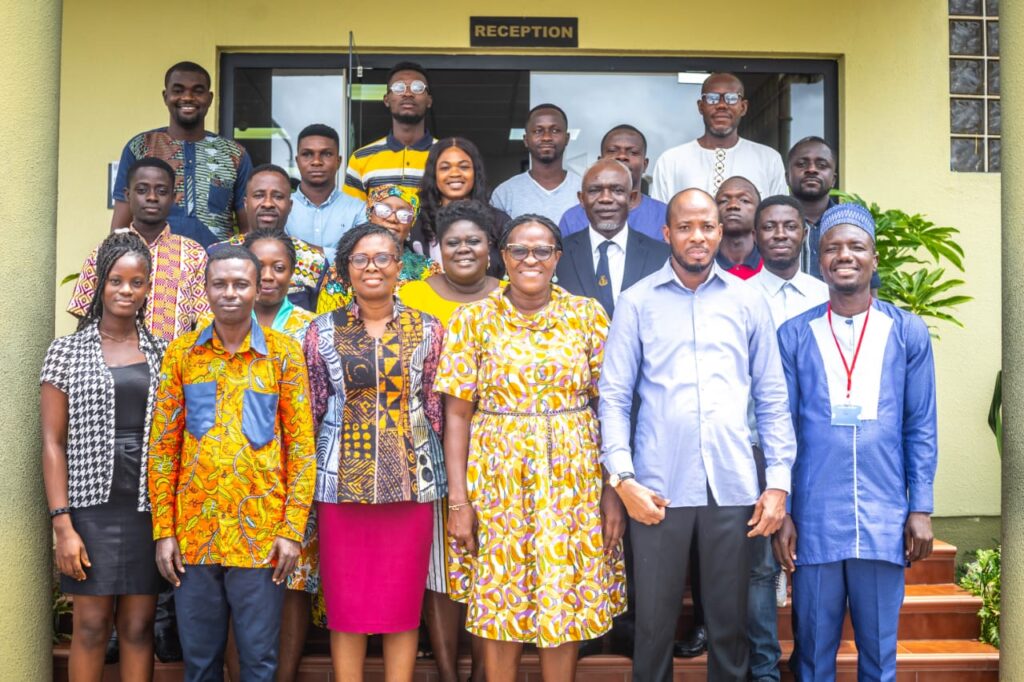
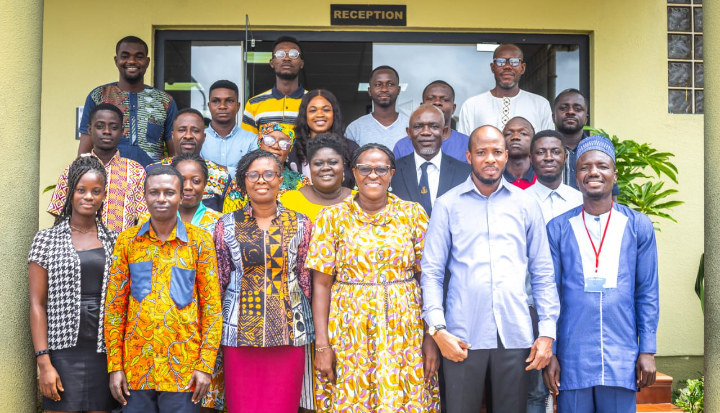
Accra, June 22, 2024 — The Media Foundation for West Africa (MFWA) organized a two-day training session in Accra aimed at building the capacity of 100 journalists from various media houses to counter hate speech and polarizing narratives.
The training, held to promote fact-based discourse, social cohesion, peaceful coexistence, and democratic stability, brought together journalists to enhance their skills in reporting sensitively and accurately on conflict-related issues.
Mr. Kojo Imrpaim, Programs Director of Media for Peace and Sustainable Development at MFWA, highlighted the importance of understanding the root causes of conflicts and violence in society before reporting on them.
He emphasized that journalists need to approach these issues with sensitivity and a commitment to factual reporting to prevent chaos and hate speech. By understanding the causes of conflict, journalists can produce fact-based reports that inform and educate the public.
With the 2024 general election approaching, Mr. Imrpaim underscored the need for balanced and fact-checked reporting. He stressed that accurate journalism is crucial for educating the public and enabling informed decision-making, which fosters peaceful coexistence and democratic stability.
He warned that disinformation and misinformation could lead to conflict, hate speech, and polarizing narratives.
Mr. Frank Wilson Bodza, Deputy Director of Conflict Prevention and Resolution at the National Peace Council (NPC), pointed out that many conflicts and instances of hate speech and polarization are driven by disinformation and misinformation, often propagated by political actors and geopolitical players.
He urged media houses to promote information hygiene, especially during the 2024 election, and for journalists to resist influence from political actors. Journalists must adhere to their core values and deliver fact-based information to prevent ethnic tension, unhealthy political competition, religious conflicts, electoral violence, and violent extremism.
Mr. Kwaku Krobea Asante, Lead at Fact-Check Ghana, noted that sometimes the actions of security institutions do not meet expectations, leading to insecurity and violent extremism.
He stressed the need for careful examination of their responses to conflict-related issues to avoid exacerbating chaos.
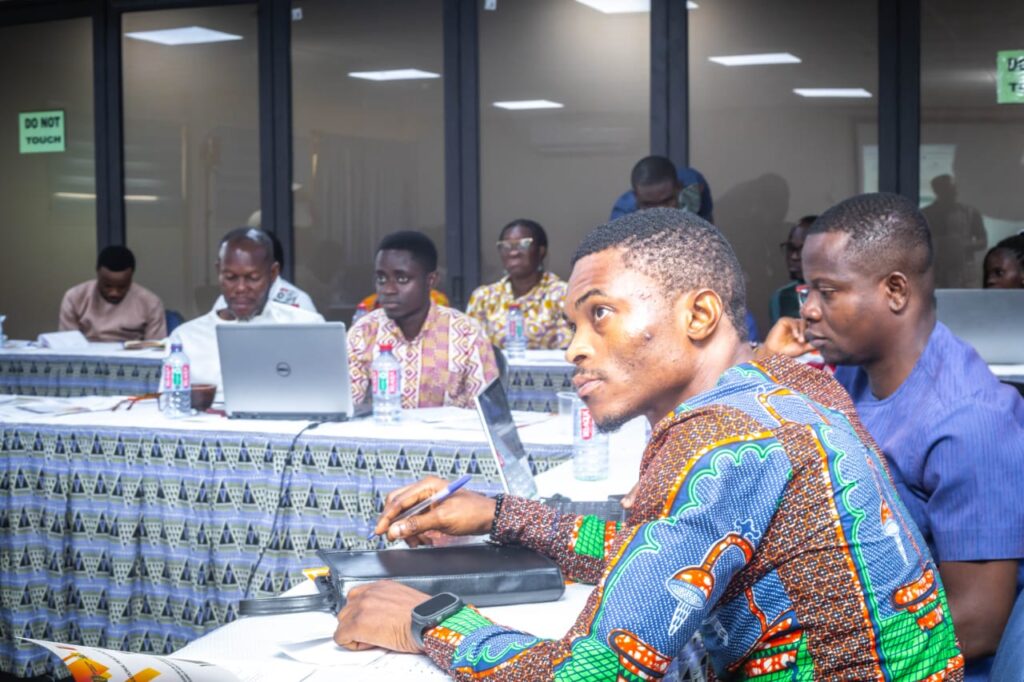
Bishop Samuel Kofi Osabutey, Chairman of the Greater Accra Regional Peace Council at NPC, emphasized the importance of journalists being mindful of their reporting. He called for adherence to the core values of journalism and the practice of peaceful journalism. Journalists contribute to societal peace by fact-checking and verifying issues before reporting them.
The training highlighted the critical role of journalists in preventing hate speech and polarizing narratives, particularly in the context of the upcoming elections. By promoting accurate and balanced reporting, journalists can help maintain social cohesion and democratic stability.
RTOMedium… Be informed… Get informed