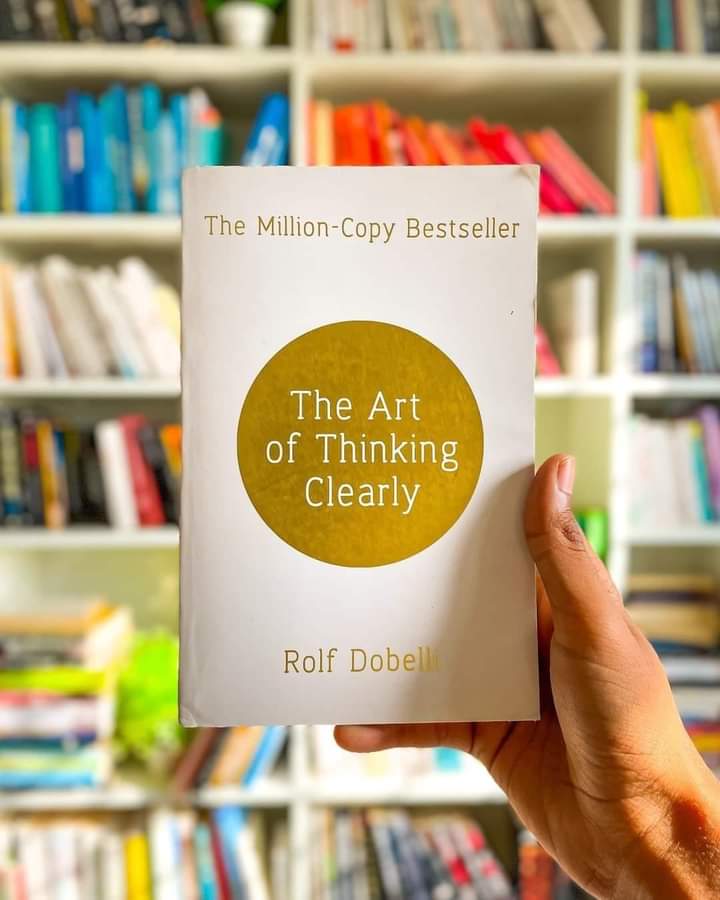
MUST READ: 10 lessons from The Art of Thinking Clearly
- Understanding the Root Causes: Many people blame the symptoms of their problems instead of focusing on the root causes. By understanding the underlying causes, you can develop effective solutions to your problems.
- Challenging Confirmation Bias: Confirmation bias is the tendency to seek out and favor information that confirms our existing beliefs while ignoring or discounting contradictory evidence. To make better decisions, we need to challenge our biases and consider all available information.
- Beware of the Availability Heuristic: The availability heuristic is the tendency to estimate the likelihood of an event based on how easily we can recall examples of it. This can lead to inaccurate judgments, as we tend to overestimate the frequency of events that are more easily remembered.
- Recognize the Impact of Expert Opinions: Expert opinions should be considered carefully, but not blindly accepted. Experts can be biased or have their own agendas, so it’s important to evaluate their advice critically and consider alternative perspectives.
- Understand the Value of Inaction: Sometimes, the best course of action is to do nothing. Instead of making rash decisions, take the time to gather information, consider your options, and choose the course of action that is most likely to lead to a positive outcome.
- Beware of Incentives: Incentives can influence people’s behavior, sometimes in unexpected ways. When making decisions, be aware of the potential impact of incentives and make sure they are aligned with your own goals and values.
- Recognize the Power of Stories: Stories can be powerful tools for persuasion and communication. However, it’s important to remember that stories are not always accurate representations of reality. Be critical of the stories you hear and evaluate them based on evidence and logic.
- Beware of the Illusion of Control: We often overestimate our ability to control events in our lives. While we can influence some outcomes, there are many factors outside of our control. Accepting this can help us reduce stress and focus on what we can control.
- Seek Different Perspectives: Exposing ourselves to different perspectives can help us to break out of our own echo chambers and make more informed decisions. Seek out information from sources that challenge your existing beliefs and consider how different perspectives might impact your understanding of a situation.
- Embrace the Power of Self-Reflection: Regular self-reflection can help us to identify our biases, improve our decision-making, and become more aware of our own thoughts and feelings. Take time to reflect on your experiences, learn from your mistakes, and set goals for personal growth.
“The Art of Thinking Clearly” is a valuable guide to improving your thinking skills and making better decisions. By following the lessons in this book, you can learn to identify and avoid common thinking traps, make more objective judgments, and approach problems with a more rational and analytical mindset.
Credit: The HR Dairy