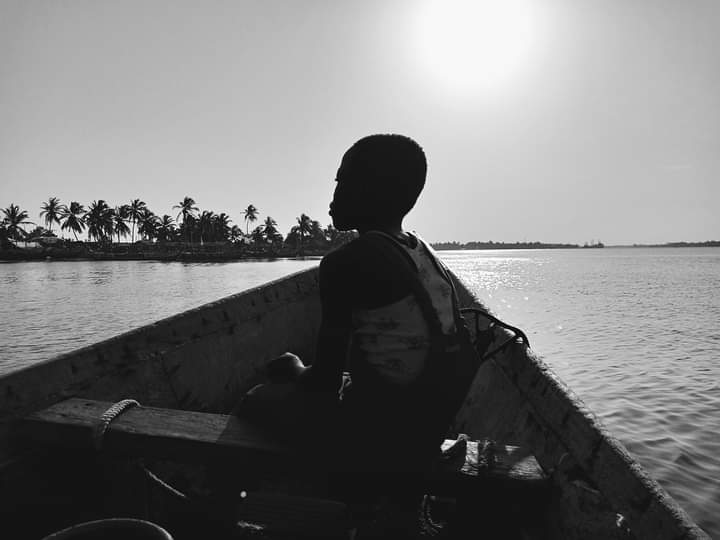
The Ada Estuary – Torgbui-Denu Sipho Michael writes.

The estuary in Ada, the only famous place where the sea enters the river, is undergoing a very interesting topological change.
Initially the estuary enters the sea at just ONE SPOT only. Close to Kewunor and Azizakpe. The waves there also, then, were not aggressive as they are now.
Currently, due to the impact of the high tidal waves, some topological formations and the need for space for big ships to enter into the Volta river for apparent repair works, the estuary had opened, either naturally or through some artificial method, at two other places different from the first one.
The impact of these two other openings are the continual onslaught of high tidal waves, eroding downstream communities. Families and livelihood and livestock. The high tidal waves, push far into the river, with such waves only withering in strength after hitting the downstream communities.
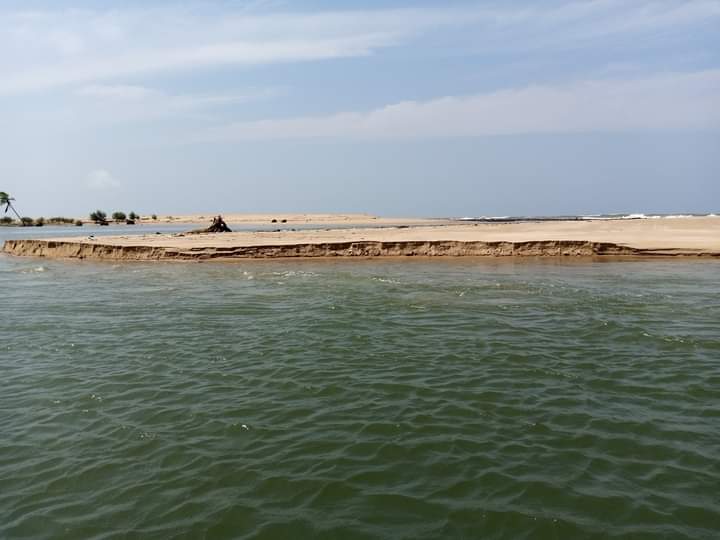
There’s a fourth attempt of the sea to enter the river close to the Havi-Anyanui enclave. The aggressive nature of tidal onslaught against the thin stretch of land separating the river will only take a few months before that place also becomes another estuary. And during high tides, you’re likely to notice that the effects are greater with the downstream communities facing the brunt of the wave’s aggressiveness.
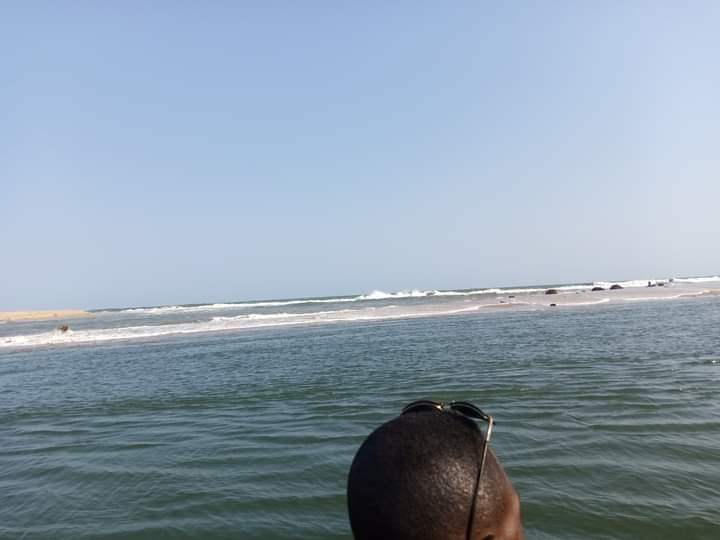
I spoke to an experienced fisherfolk what the implications of that fourth opening will mean for downstream communities.
He was blunt: that Havi, Anyanui and other downstream communities will be eroded with the impact felt as far as Keta. But he seems to know how to prevent that from happening. He said we’ll have to dredge, deeper, the entries to the estuary. That a very deep estuary withers the aggressive strength of the tidal waves.
Of the fourth estuary attempting to open, he stated it has to be stopped. A manmade intervention to stop that opening from happening.
I took his word. He’s lived a substantial amount of his life plying his trade on those waters.
But maybe a whole Department of Oceanography at the University of Ghana can cause a research into how he can prevent these multiple openings of the estuary into our river body.
But when I think about this, I’m sad because such solution he proffers seems far away from sight. Not because of the lack of capacity or expertise. No. But for lack of the willingness. Lack of the willpower.
So Ama Ghana will wait until these downstream communities are in severe tidal distress, and we’ll go there, commiserate with them and promise funding for a sea defense.
Maybe by then, it’ll be too late. Or maybe not.